Healthy skin is not always achieved through expensive skincare products alone. Concerns such as acne marks, pigmentation, uneven skin tone, dullness, and enlarged pores often require treatments that target deeper layers of the skin. For people considering Chemical Peel Mumbai procedures, understanding how chemical peels work helps set realistic expectations and supports informed skincare decisions.
Understanding How Chemical Peels Work
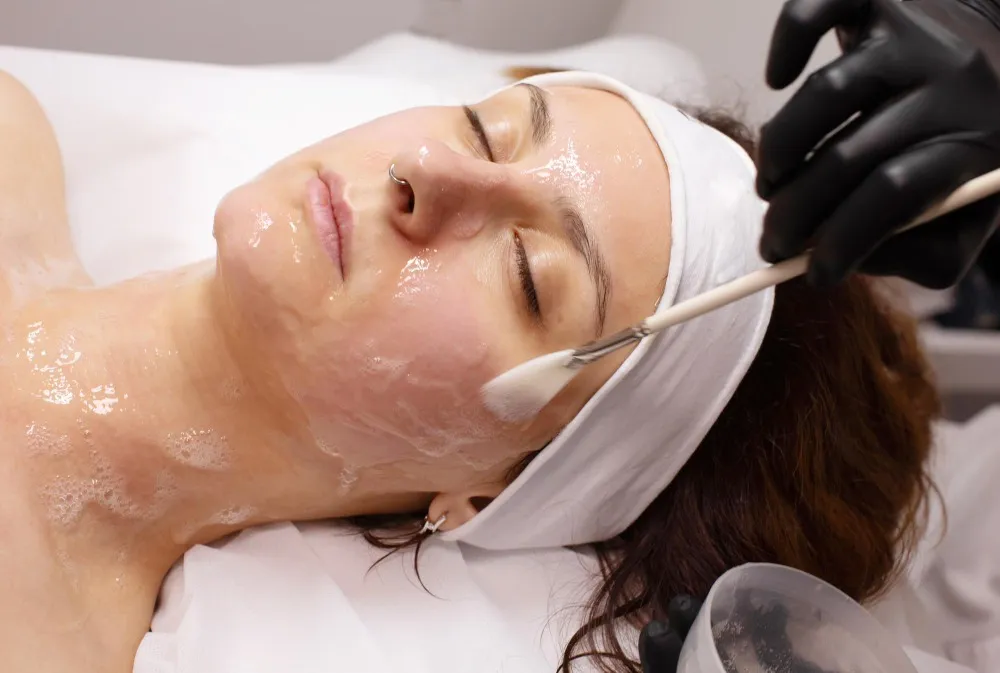
A chemical peel is a dermatologist-performed procedure that uses carefully selected chemical solutions to remove damaged outer skin cells. As fresh skin replaces older layers, the complexion gradually appears smoother, brighter, and more even.
Different peel formulations are available depending on the skin concern, skin type, and desired outcome.
Skin Concerns That May Benefit
Chemical peels are commonly recommended for individuals experiencing:
- Acne and post-acne marks
- Uneven pigmentation
- Sun-damaged skin
- Fine lines
- Rough skin texture
- Enlarged pores
- Mild melasma
- Dull complexion
Since every skin condition differs, treatment should always be selected after a professional skin assessment.
Choosing the Right Peel
Chemical peels are generally classified into superficial, medium, and deeper peels. The choice depends on the severity of the concern, skin sensitivity, recovery expectations, and overall skin health.
A dermatologist evaluates these factors before recommending an appropriate treatment plan rather than following a standard approach for every patient.
Preparing for the Procedure
Proper preparation improves both safety and treatment outcomes. Patients are often advised to:
- Wear sunscreen regularly
- Avoid excessive sun exposure
- Stop using harsh exfoliating products before treatment
- Follow prescribed skincare instructions
- Inform the dermatologist about allergies and medications
These steps help the skin respond more effectively during recovery.
What to Expect After Treatment
Recovery varies according to the type of peel performed. Mild redness, temporary dryness, and light peeling are common during the healing process. Protecting the skin from sunlight and following the recommended skincare routine supports healthy skin renewal.
Results generally develop gradually as new skin cells replace older damaged layers.
Why Professional Assessment Makes a Difference
Chemical peels are not one-size-fits-all treatments. Skin type, pigmentation patterns, active acne, previous procedures, and lifestyle all influence the choice of peel and treatment frequency.
People living in Mumbai are frequently exposed to humidity, pollution, and prolonged sun exposure, making personalized skin evaluation particularly valuable before undergoing cosmetic procedures.
At Aesthello Clinic, Dr. Gayatri Pagare performs a thorough dermatological assessment before recommending suitable chemical peel options based on individual skin needs. This personalized approach helps patients understand the treatment process and choose procedures appropriate for their skin condition.
When performed under qualified dermatological supervision, chemical peels can become an effective part of a comprehensive skincare plan. Understanding the treatment, maintaining realistic expectations, and following proper aftercare contribute to healthier, smoother-looking skin over time.
Keywords