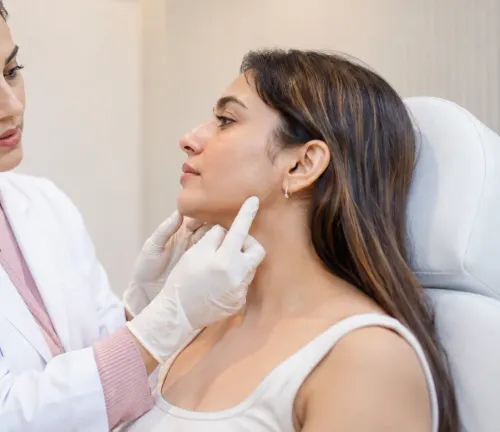

Skin and facial concerns are rarely identical from one person to another. Two people of the same age may have completely different concerns related to pigmentation, acne marks, facial texture, early ageing, unwanted hair, or loss of skin firmness. This is why consulting a qualified Cosmetologist can be useful before deciding on an aesthetic procedure.
In Mumbai, where sun exposure, humidity, pollution, demanding work schedules, and frequent use of cosmetic products can influence skin health, a personalised approach becomes particularly important. Rather than selecting a treatment because it is popular online, patients benefit from understanding what their skin actually needs.
What Does a Cosmetologist Do?
Cosmetology in a clinical setting focuses on improving aesthetic concerns while considering skin type, facial features, treatment suitability, and realistic expectations.
A consultation may involve assessment of:
- Skin texture and tone
- Pigmentation patterns
- Acne and post-acne marks
- Fine lines and signs of ageing
- Facial volume changes
- Unwanted facial or body hair
- Skin hydration
- Certain cosmetic hair concerns
The purpose of this assessment is not simply to recommend a procedure. It helps determine whether a cosmetic treatment is appropriate and which approach may provide a suitable balance between improvement, safety, and natural-looking results.
Why Skin Assessment Comes First
People frequently describe a concern using a general term such as “dark spots” or “dull skin.” Clinically, however, similar-looking problems can have different causes.
Pigmentation may be associated with sun exposure, acne, inflammation, melasma, or other factors. Likewise, rough texture may result from dehydration, acne scarring, clogged pores, or accumulated surface skin cells.
Treating the appearance without understanding the underlying concern can lead to disappointing results.
A professional evaluation allows the treatment plan to be based on the actual skin condition rather than assumptions.
Cosmetic Procedures Are Not One Size Fits All
Modern aesthetic dermatology offers numerous options, including facials, peels, injectables, lasers, skin rejuvenation procedures, and treatments designed to improve particular facial concerns.
However, suitability varies.
Someone seeking smoother skin may need a completely different approach from a patient concerned about facial lines. A person with active acne may require acne control before undergoing procedures aimed at improving old acne marks.
Factors such as skin sensitivity, previous treatments, medical history, current skincare products, and expected downtime can also influence treatment planning.
What to Discuss During a Consultation
A useful consultation should allow enough time to discuss both the concern and the desired outcome.
Patients can ask:
- What is causing the visible concern?
- Which treatments are appropriate for my skin type?
- How many sessions might be considered?
- Is downtime expected?
- What precautions are needed afterward?
- Are maintenance sessions necessary?
- What improvement is realistically possible?
Clear answers help patients make informed decisions instead of choosing procedures based entirely on advertising or social media trends.
Natural Results Require Thoughtful Planning
Good aesthetic care does not necessarily mean making dramatic changes. Many people simply want healthier-looking skin, better texture, more even tone, or subtle improvement in age-related concerns.
At Aesthello Clinic, Dr. Gayatri Pagare evaluates individual skin and aesthetic needs before recommending suitable options. This consultation-led approach is particularly relevant for patients in Mumbai and other parts of Maharashtra who are considering professional cosmetic care but are unsure where to begin.
The most appropriate aesthetic plan is ultimately one that respects individual features, addresses the actual concern, and sets realistic expectations. Understanding the skin first can make every later treatment decision more informed.
Keywords