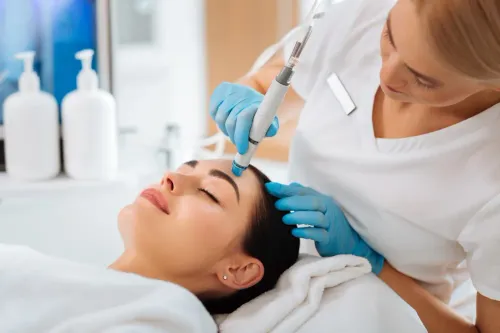

Uneven skin tone, stubborn pigmentation, and dark patches are common concerns that affect people of all ages. Whether caused by prolonged sun exposure, acne marks, hormonal changes, or ageing, pigmentation often takes time to fade and can impact self-confidence. With countless creams available online and increasing awareness of advanced aesthetic procedures, many people wonder whether laser treatment for pigmentation is more effective than topical skincare.
The answer isn't as simple as choosing one over the other. Every pigmentation concern is different, and the most suitable treatment depends on the underlying cause, the depth of pigmentation, your skin type, and your long-term skincare goals.
Understanding Why Pigmentation Develops
Pigmentation occurs when the skin produces excess melanin, the natural pigment responsible for skin colour. This increase in melanin can be triggered by several factors, including:
- Sun exposure
- Melasma
- Acne or injury-related pigmentation
- Hormonal changes
- Ageing
- Certain medications
- Inflammatory skin conditions
Some pigmentation affects only the outer layer of the skin, while other forms extend deeper, making them more challenging to treat.
Before deciding on a treatment, identifying the exact type of pigmentation is essential.
How Do Topical Creams Work?
Topical creams are usually the first line of treatment for mild pigmentation. They work by slowing melanin production, encouraging skin renewal, and improving overall skin tone gradually.
Depending on the diagnosis, a dermatologist may recommend ingredients such as:
- Vitamin C
- Azelaic acid
- Kojic acid
- Niacinamide
- Retinoids
- Prescription depigmenting agents
These products often require consistent use over several weeks or months before noticeable improvement is seen.
Topical treatments are commonly recommended for:
- Mild pigmentation
- Early melasma
- Post-inflammatory pigmentation
- Maintenance after professional procedures
However, using over-the-counter creams without medical advice may not always produce the desired results and, in some cases, may irritate sensitive skin.
What Is Laser Treatment for Pigmentation?
Laser treatment is a dermatological procedure that uses focused light energy to target excess pigment within the skin. The laser selectively breaks down areas of unwanted pigmentation while minimising damage to surrounding tissue.
Different laser technologies are used depending on:
- Skin tone
- Type of pigmentation
- Depth of pigment
- Medical history
- Treatment goals
Because every skin condition is unique, laser treatment should only be recommended after a thorough clinical evaluation.
Comparing Laser Treatment and Topical Creams
Both approaches have important roles in pigmentation management. Understanding their differences helps set realistic expectations.
Topical Creams
Advantages
- Suitable for mild pigmentation
- Easy to incorporate into a daily skincare routine
- Can help prevent recurrence
- Often used as part of long-term maintenance
Limitations
- Results develop gradually
- Require consistent application
- May not improve deeper pigmentation significantly
- Effectiveness varies depending on the cause
Laser Treatment
Advantages
- Targets specific areas of pigmentation
- Can improve stubborn pigment resistant to creams
- Suitable for selected cases of deeper pigmentation
- Often combined with medical skincare for better outcomes
Limitations
- May require multiple sessions
- Not appropriate for every type of pigmentation
- Requires strict sun protection after treatment
- Should always be performed by an experienced dermatologist
Rather than replacing creams completely, laser procedures are often used alongside prescription skincare to achieve more comprehensive results.
Is Laser Always the Better Choice?
Not necessarily.
Many patients assume that advanced technology automatically produces superior results. In reality, the best treatment depends on the diagnosis.
For example:
- Mild post-acne pigmentation may respond well to topical therapy.
- Certain forms of melasma require careful medical management before considering laser treatment.
- Deep pigmentation may benefit from a combination of professional procedures and prescription skincare.
A personalised treatment plan usually delivers better outcomes than relying on a single method.
How to Support Pigmentation Treatment
Regardless of the chosen treatment, daily skincare habits play a significant role in maintaining results.
Helpful practices include:
- Applying broad-spectrum sunscreen every day
- Reapplying sunscreen during prolonged outdoor exposure
- Avoiding unnecessary sun exposure
- Using gentle skincare products
- Following the dermatologist's instructions consistently
- Avoiding harsh home remedies or excessive exfoliation
Without adequate sun protection, pigmentation can recur even after successful treatment.
Why Professional Assessment Matters
Pigmentation can look similar on the surface but have very different underlying causes. Treating melasma as though it were sunspots, or using the wrong products for post-inflammatory pigmentation, may delay improvement.
A dermatologist evaluates the pattern, depth, and cause of pigmentation before recommending suitable treatment options. This careful assessment reduces the risk of unnecessary procedures and helps create a realistic treatment plan.
For individuals in Mumbai seeking personalised care for pigmentation concerns, Aesthello Clinic offers comprehensive skin evaluations under the guidance of Dr. Gayatri Pagare. Depending on the diagnosis, treatment may include medical skincare, laser treatment for pigmentation, or a combination of approaches designed to improve skin tone safely while supporting long-term skin health and helping patients achieve natural-looking results with informed expectations.
Keywords