Noticing more hair on your pillow or in the shower can be worrying. While losing a few strands every day is a natural part of the hair growth cycle, persistent hair fall, thinning hair, or reduced hair density may indicate an underlying concern that deserves professional attention. One treatment that has gained significant attention in recent years is PRP hair treatment. It is widely used to support natural hair growth and is often recommended for individuals experiencing early stages of hair thinning.
If you're exploring non-surgical options for improving hair density, understanding how PRP works, who it is suitable for, and what results you can realistically expect can help you make an informed decision.
What Is PRP Hair Treatment?
PRP stands for Platelet-Rich Plasma, a treatment that uses components from your own blood to support the natural healing and regeneration process. Platelets are rich in growth factors that play an important role in tissue repair.
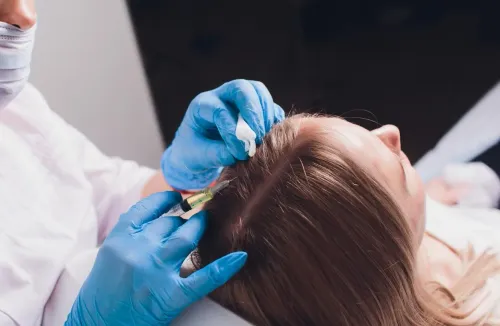
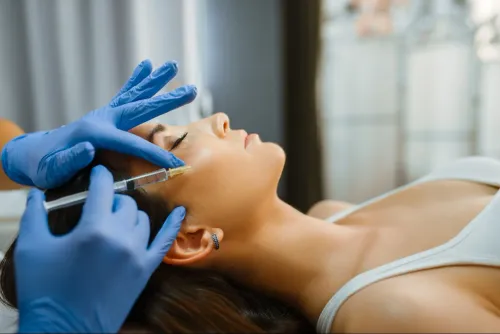
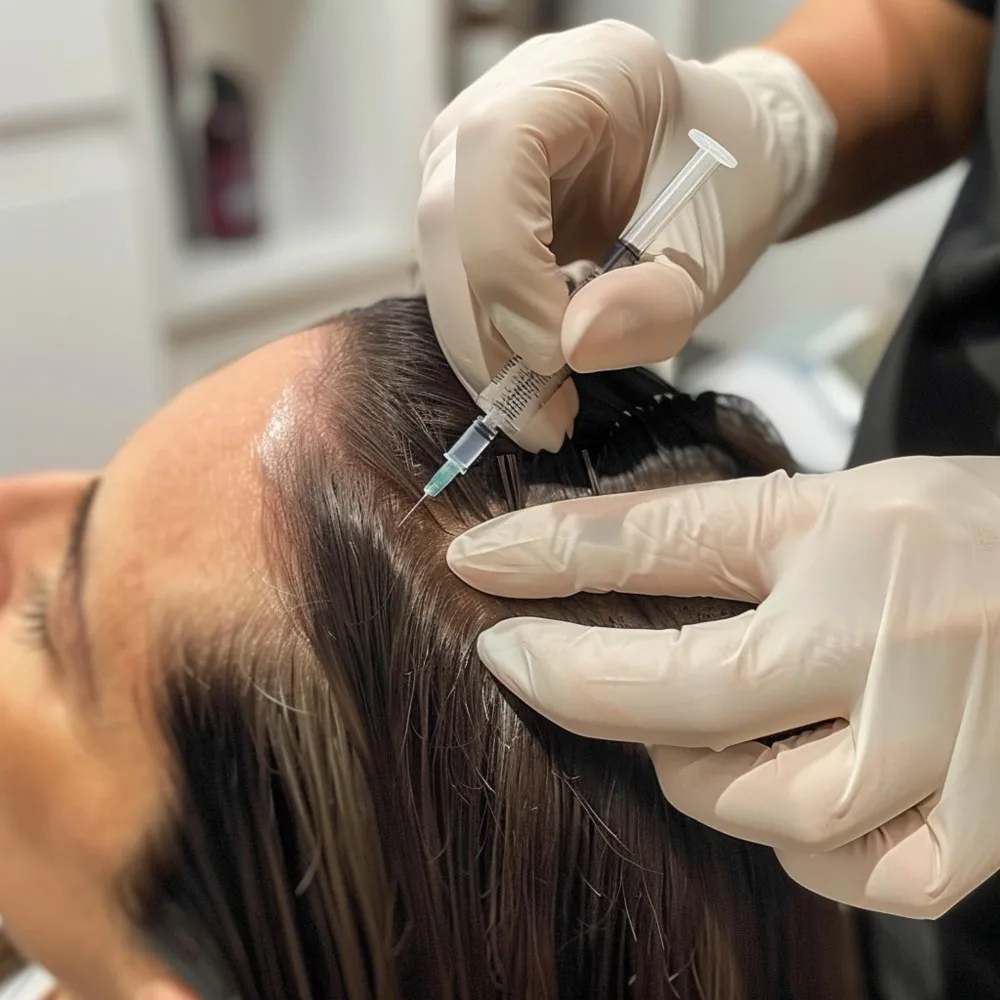
During a PRP procedure, a small sample of blood is drawn and processed using a centrifuge to separate the platelet-rich plasma. This concentrated plasma is then carefully injected into targeted areas of the scalp where hair thinning is most noticeable.
Since the treatment uses the patient's own blood components, it is considered an autologous procedure, reducing the risk of allergic reactions associated with foreign substances.
How Does PRP Support Hair Growth?
Hair follicles go through different growth phases throughout life. Various factors such as genetics, hormonal changes, stress, nutritional deficiencies, ageing, and certain medical conditions can disrupt this cycle, leading to thinning hair.
PRP treatment is believed to:
- Stimulate inactive or weakened hair follicles
- Improve blood circulation around the scalp
- Encourage healthier follicle activity
- Support thicker hair shafts
- Reduce ongoing hair shedding
- Improve overall scalp health
It is important to understand that PRP does not create new hair follicles. Instead, it aims to strengthen existing follicles that are still capable of producing hair.
Who Can Benefit from PRP Hair Treatment?
PRP may be suitable for both men and women experiencing mild to moderate hair thinning.
It is commonly considered for individuals with:
- Early-stage androgenetic alopecia (pattern hair loss)
- Hair thinning after stress or illness
- Diffuse hair fall
- Reduced hair density
- Hair weakening due to hormonal changes
- Postpartum hair thinning after medical evaluation
People with completely inactive hair follicles or extensive baldness may require alternative treatment options. A detailed scalp examination helps determine whether PRP is likely to be beneficial.
What Happens During the Procedure?
Many patients are curious about what to expect during a PRP session.
The procedure generally includes the following steps:
- A consultation to assess the scalp and identify the cause of hair loss.
- A small blood sample is collected.
- The blood is processed to obtain platelet-rich plasma.
- The scalp is cleaned and prepared.
- The PRP is injected into areas showing hair thinning.
The procedure usually takes around 45 to 60 minutes, depending on the treatment area.
Most individuals can return to their routine activities shortly afterwards, although the dermatologist may advise avoiding strenuous exercise, excessive sun exposure, or washing the scalp for a short period.
When Can You Expect Results?
One of the most common questions patients ask is how soon they will notice improvement.
Hair growth is a gradual biological process, and visible changes typically require patience.
Many individuals begin noticing reduced hair shedding after a few sessions, while improvements in hair thickness and density may become more noticeable over the following months.
The exact timeline varies depending on factors such as:
- The underlying cause of hair loss
- Age
- Overall health
- Consistency of treatment sessions
- Individual response to therapy
Your dermatologist may recommend maintenance sessions based on your scalp condition and long-term goals.
Is PRP Enough on Its Own?
PRP often works best as part of a comprehensive hair restoration plan rather than as a standalone solution.
Depending on the diagnosis, your dermatologist may also recommend:
- Nutritional evaluation
- Blood investigations, if required
- Prescription medications
- Scalp care routines
- Lifestyle modifications
- Stress management strategies
Addressing the root cause of hair loss is essential for achieving better long-term outcomes.
Why Professional Evaluation Matters
Hair fall can result from many different conditions, including thyroid disorders, nutritional deficiencies, hormonal imbalance, scalp infections, autoimmune disorders, and genetic factors.
Starting treatment without identifying the cause may delay appropriate care.
A qualified dermatologist evaluates your medical history, examines your scalp, and may recommend investigations before preparing a personalised treatment plan. This ensures that PRP is recommended only when it is likely to be suitable and beneficial.
Caring for Your Hair Between Sessions
Healthy daily habits can complement professional treatment and support overall scalp health.
Some useful practices include:
- Following a balanced diet rich in protein, iron, and essential vitamins
- Using mild shampoos suitable for your scalp
- Avoiding excessive heat styling and harsh chemical treatments
- Managing stress through regular exercise or relaxation techniques
- Protecting the scalp from prolonged sun exposure
- Attending scheduled follow-up appointments
Consistency with these habits can help improve the overall effectiveness of your treatment plan.
For individuals in Mumbai looking for a personalised approach to hair restoration, Aesthello Clinic offers detailed hair and scalp assessments under the guidance of Dr. Gayatri Pagare. Rather than recommending a single solution for everyone, the clinic focuses on identifying the underlying cause of hair thinning and creating evidence-based treatment plans that may include PRP hair treatment when clinically appropriate, helping patients work towards healthier hair with realistic expectations.
Keywords