
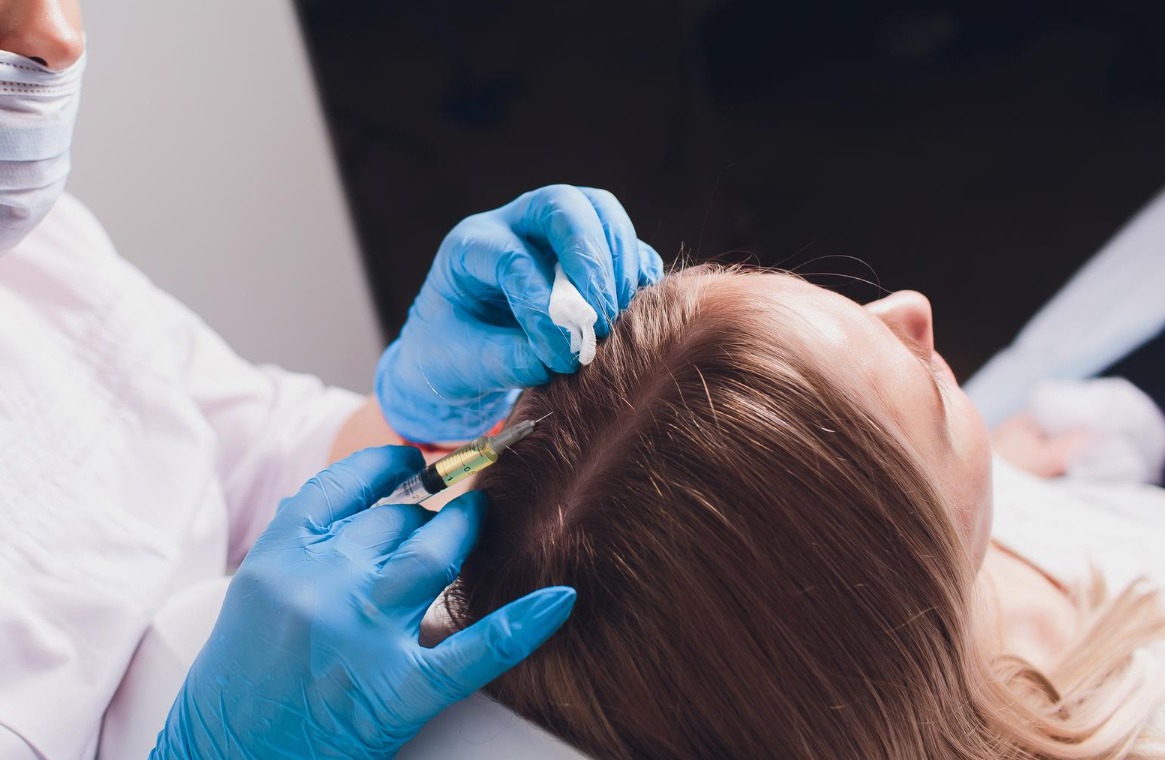
Finding more hair on the pillow, in the shower drain, or on a comb can quickly become worrying. Some daily shedding is normal, but persistent thinning, a widening part, visible scalp, or sudden changes deserve closer attention. Effective Hair fall treatment begins by understanding why the shedding is happening.
Hair loss is a symptom rather than a single condition, which is why randomly changing shampoos or purchasing supplements may not address the actual problem.
Why Does Hair Fall Increase?
Hair growth follows a natural cycle. Different factors can disrupt that cycle and push more hairs into the shedding phase.
Possible contributors include:
- Nutritional deficiencies
- Significant stress
- Hormonal changes
- Recent illness
- Rapid weight changes
- Genetic hair thinning
- Scalp disorders
- Certain medications
- Hair damage from styling practices
The pattern and duration of hair loss provide useful clues about its possible cause.
Temporary Shedding and Progressive Thinning Are Different
Not all hair loss behaves in the same way.
Some people experience increased shedding several weeks or months after illness, major stress, childbirth, dietary changes, or another physical trigger. In other cases, hair gradually becomes finer and scalp visibility increases over a longer period.
These patterns may require different management strategies.
This is why simply counting fallen hairs is less informative than examining the scalp, hair density, distribution of thinning, and recent medical history.
Why Self-Treatment Can Be Frustrating
Hair fall products are widely available, particularly online. The difficulty is that the same product may be marketed for many unrelated causes of hair loss.
Using oils, supplements, serums, or home remedies without identifying the cause can delay appropriate care. Supplements can also be unnecessary when no deficiency is present.
A clinical assessment can help establish whether additional investigations are appropriate and whether the scalp itself needs treatment.
What Can Professional Treatment Involve?
Treatment depends on the diagnosis.
A plan may include medical management, scalp care, correction of relevant deficiencies when confirmed, topical treatment, lifestyle guidance, or selected procedural options.
Some patients may also be evaluated for treatments designed to support hair density or scalp health. The suitability of these approaches depends on the type and stage of hair loss.
The important point is that hair restoration should not begin with the procedure. It should begin with the diagnosis.
When Should You Seek an Evaluation?
Consider professional assessment when hair fall is persistent, rapidly increasing, associated with visible thinning, occurring in patches, accompanied by scalp symptoms, or causing noticeable changes in the hairline or parting.
People experiencing hair loss in Mumbai may also face practical contributors such as stressful routines, frequent heat styling, environmental exposure, and inconsistent nutrition. These factors should be considered without automatically assuming they are the only cause.
At Aesthello Clinic, Dr. Gayatri Pagare evaluates hair and scalp concerns before discussing an individual management plan. This approach can help patients across Mumbai and Maharashtra understand whether their hair loss is likely to require medical treatment, supportive care, further investigation, or a combination of measures.
Early assessment is particularly useful when thinning is progressing. Rather than trying multiple unrelated products, identifying the pattern first creates a clearer path toward appropriate hair fall management.
Keywords