
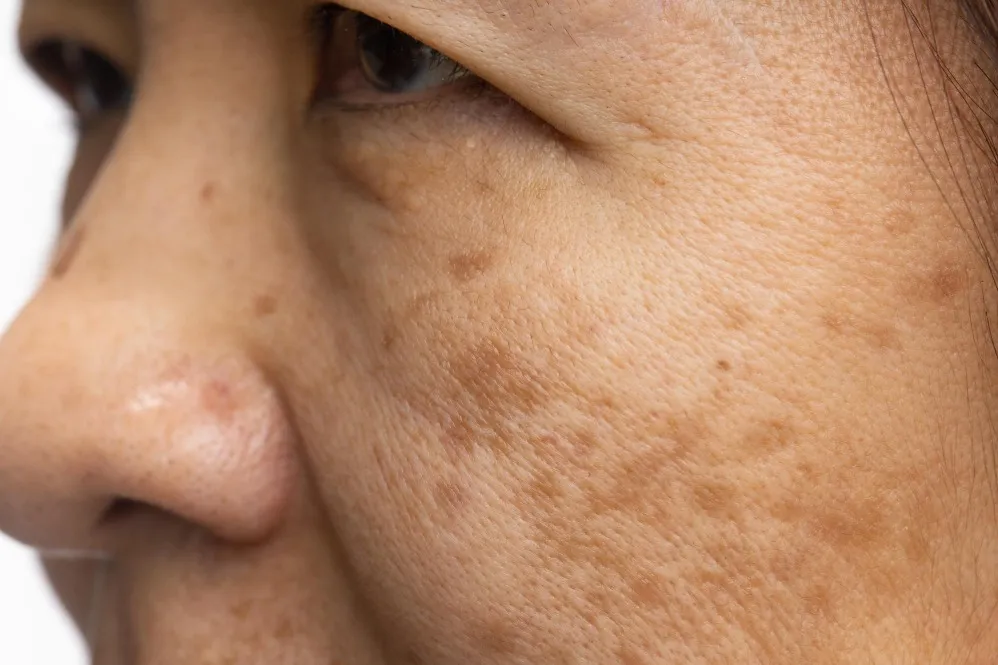
Melasma is one of the most common pigmentation concerns seen in dermatology clinics, yet it is often misunderstood. Many people notice brown or greyish patches developing gradually on the cheeks, forehead, nose, or upper lip and assume they are simply age spots or tanning. In reality, melasma is a complex skin condition that requires a personalised treatment approach rather than a quick fix.
If you've been searching for melasma treatment, understanding why it develops and how it is managed can help you make informed decisions. While the condition is not harmful, it can affect confidence and often requires professional guidance for long-term improvement.
What Is Melasma?
Melasma is a form of hyperpigmentation caused by excess melanin production in certain areas of the skin. It usually appears as symmetrical patches with irregular borders, most commonly on sun-exposed parts of the face.
Although anyone can develop melasma, it is more frequently seen in women, especially during pregnancy or periods of hormonal changes. Men can also experience melasma, particularly if they spend significant time outdoors or have a family history of pigmentation disorders.
Unlike temporary tanning, melasma often persists without appropriate treatment and may return if the underlying triggers are not managed.
What Causes Melasma?
There isn't a single cause behind melasma. Instead, several factors may work together to trigger increased pigment production.
Some of the most common causes include:
- Prolonged sun exposure
- Hormonal fluctuations during pregnancy
- Birth control pills or hormone therapy
- Genetic predisposition
- Heat exposure
- Certain skincare products causing irritation
- Blue light from prolonged digital screen exposure, in some individuals
In a city like Mumbai, frequent sun exposure combined with humidity and outdoor activities can make pigmentation more noticeable, especially without regular sun protection.
How Is Melasma Different from Other Pigmentation?
Many people confuse melasma with freckles, post-acne marks, or age spots.
Melasma typically:
- Appears on both sides of the face
- Forms larger patches instead of small spots
- Has a chronic tendency to recur
- Is influenced by hormones and sunlight
- Requires long-term management rather than a single treatment
A dermatologist can usually distinguish melasma from other pigmentation disorders through a clinical examination and recommend the most appropriate treatment plan.
Treatment Options for Melasma
There is no universal solution that works for everyone. Treatment depends on the depth of pigmentation, skin type, medical history, and lifestyle factors.
A dermatologist may recommend one or a combination of the following approaches.
Medical Skincare
Prescription creams containing pigment-reducing ingredients are often the first step. These help regulate melanin production and gradually improve skin tone over time.
Patients should avoid self-medicating with over-the-counter fairness creams or steroid-based products, as improper use can worsen pigmentation and damage the skin.
Laser Treatment for Pigmentation
In selected cases, laser treatment for pigmentation may be recommended to target stubborn patches that do not respond adequately to topical therapies.
Laser treatments are carefully selected based on skin type and pigmentation depth. Since melasma-prone skin can sometimes react unpredictably, the procedure should always be performed after a detailed consultation.
Chemical Peels
Certain dermatological peels help improve uneven pigmentation by encouraging controlled exfoliation and skin renewal.
The choice of peel depends on individual skin sensitivity and the severity of pigmentation.
Daily Sun Protection
No melasma treatment is complete without strict sun protection.
Using a broad-spectrum sunscreen every day, wearing hats, seeking shade, and limiting prolonged exposure to direct sunlight can significantly reduce recurrence.
Even the most advanced treatments may offer limited improvement if sun protection is ignored.
Why Patience Is Important
One of the biggest misconceptions about melasma is expecting immediate results.
Pigmentation develops gradually, and improvement also takes time.
Depending on the severity, treatment may continue for several weeks or months. Consistency with skincare, follow-up appointments, and lifestyle modifications plays an important role in achieving lasting improvement.
Rather than aiming for overnight changes, dermatologists focus on gradual, sustainable skin improvement while reducing the chances of recurrence.
Lifestyle Habits That Support Treatment
Along with medical treatment, simple daily habits can contribute to better outcomes.
These include:
- Applying sunscreen every morning
- Reapplying sunscreen during prolonged outdoor exposure
- Wearing protective clothing when possible
- Avoiding excessive heat exposure
- Using gentle skincare products
- Following the dermatologist's instructions consistently
- Avoiding harsh home remedies that may irritate the skin
Small lifestyle changes often complement professional treatment and help maintain clearer skin over time.
When Should You Consult a Dermatologist?
It is advisable to seek medical advice if:
- Pigmentation continues to spread
- Home remedies show little improvement
- Dark patches become more noticeable after sun exposure
- Previous treatments have not been effective
- You are unsure whether the pigmentation is melasma or another skin condition
An early consultation can help identify the underlying cause and prevent unnecessary experimentation with products that may not suit your skin.
At Aesthello Clinic, Dr. Gayatri Pagare evaluates each patient's skin carefully before recommending a personalised melasma treatment plan. By combining evidence-based dermatology, suitable aesthetic procedures when required, and long-term skincare guidance, the clinic aims to help patients manage pigmentation safely while supporting healthier, more even-looking skin over time.
Keywords